Showing posts with label HOMEMADE. Show all posts

Friday, March 22, 2013

8 Reasons GMOs Are Bad For You

Do You Keep Your Mask On To Eat This Food?
I figured that I've covered the GMO protesting in Hawaii enough, that really I should explain why GMOs are so bad for us.  
I can still remember a time when I scoffed at the idea, about 10 years ago when friends of mine were going organic and it just seemed so silly and overdone.  
Now, I can see clearly what many have been talking about and WHY many are trying their hand at growing their own food even if it means urban gardens in their front yard.

8 Reasons GMOs Are Bad For You 
Written by Shilo Urban 
Genetically modified organisms or GMOs, are created when a gene from one species is transferred to another, creating something that would not be found in nature.
A large percentage of domestic crops (up to 85% of soybean yields) have DNA that was tweaked in a lab, yet it is nearly impossible to know which food items contain these genetically engineered ingredients. Thankfully new mobile phone apps are making it a bit easier for the consumer to know what she is eating, but this is not enough.


GMOs are bad for your body, bad for the community, bad for farmers and bad for the environment. This is why:
  1. The health consequences of eating genetically modified organisms are largely unknown. Genetically engineered foods have not been shown to be safe to eat and may have unpredictable consequences. When trans-fats were first introduced, corporations battled to get them onto your grocery shelves – and it is only decades later that this once novel food has been proven to be extremely unhealthful. Many scientists are worried that the genetically altered foods, once consumed, may pass on their mutant genes to bacterium in the digestive system, just like the canola plants on the roadsides of North Dakota. How these new strains of bacteria may affect our body systems’ balance is anybody’s guess.
  2. Food items that contain GMOs are unlabeled in America. Why so sneaky? The European Union has banned GMOs, as have Australia, Japan, the UK and two dozen other countries that recognize that a lack of long term studies and testing may be hiding disastrous health defects.
  3. Genetic engineering reduces genetic diversity. When genes are more diverse, they are more robust; this is why a pure bred dog tends to have greater health problems than the dear old mutt. Plants with reduced genetic diversity cannot handle drought, fungus invasions or insects nearly as well as natural plants, which could have dire consequences for farmers and communities dependent on GMO crops for survival.
  4. Once the mutant genes are out of the bag, there is no going back.Genetically modified organisms contaminate existing seeds with their altered material, passing on modified traits to non-target species. This creates a new strain of plant that was never intended in the laboratory. In North Dakota, recent studies show that 80% of wild canola plants tested contained at least one transgene. In Japan, a modified bacteria created a new amino acid not found in nature; it was used in protein drinks and before it was recalled it cause severe mental and metabolic damage to hundreds as well as several deaths. Japan banned GMOs after this horrific experience. Monarch butterflies have also died after their favorite food, milkweed, was cross-pollinated from Bt corn which rendered it toxic to the endangered species.
  5. GMOs are not the answer for global food security. Genetically engineered crops have shown no increase in yield and no decrease in pesticide use. In many cases other farm technology has proven much more successful, and even Monsanto agrees that its genetically engineered crops yield less than conventional farming.
  6. Genetically engineered foods have not been proven to be safe, but the few studies conducted don’t look so hot. The organs of rats who ate genetically modified potatoes showed signs of chronic wasting, and female rates fed a diet of herbicide-resistant soybeans gave birth to stunted and sterile pups.
  7. Big biotech firms have very sketchy track records, but then again what would you expect from organizations who want to patent the world’s food supply? These massive biotech companies have a history of toxic contamination, deceiving the public and suing small farmers when their patented seeds blew across the fence. Biotech firms sell sterile seeds to African farmers- meaning the seeds are only good for one season, because the plants that grow up will not be able to reproduce. Farmers must buy new seeds every year instead of growing from the previous year’s yield. GMOs are not the farmers’ friend.
  8. GMOs require massive amounts of pesticides, herbicides and fungicides. These things are poisons, and should not be eaten or allowed to run off into our water supply. But they are, every day, by companies who care far more about the bottom line than they do about your health, your environment or your children’s future.

The bottom line is that genetically modified organisms have not been proven in any way to be safe, and most of the studies are actually leaning the other direction, which is why many of the world’s countries have banned these items whose DNA has been genetically engineered. In America, they aren't even labeled, much less banned, so the majority of the populace has no idea that they are eating lab-created DNA on a daily basis.
Now you do; your best defense is to purchase certified organic food, which cannot contain any GMOs, and to tell your friends and loved ones to do the same. http://bit.ly/UPueBG 

NATURAL LIVING: Salt Dough Keepsakes

Although this came to me as a DIY footprint stepping stone, I've found several useful ways that this salt dough recipe can be used for natural, easy and fun crafts.

Use it to make stepping stones every year with your children or perhaps personal Christmas ornaments! Let your imagination go wild and please share what you come up with!

Salt Dough recipe:
1 cup salt
1 cup plain flour
1/2 cup warm water

Directions:
1. Mix together into a large bowl. 
2. Knead until smooth and stretchy. 
3. If dough remains sticky and granular from the salt add a bit more flour.   
4. If too dry and crumbly then add a tiny touch more water. 


Thursday, March 21, 2013

NATURAL LIVING: Easy Kid's Paint

Here's an easy way to make non-toxic paint for your kids!

Easy Kid's Paint Recipe
1 cup salt
1 cup flour
1 cup water
Add food coloring to desired shade

Wednesday, March 20, 2013

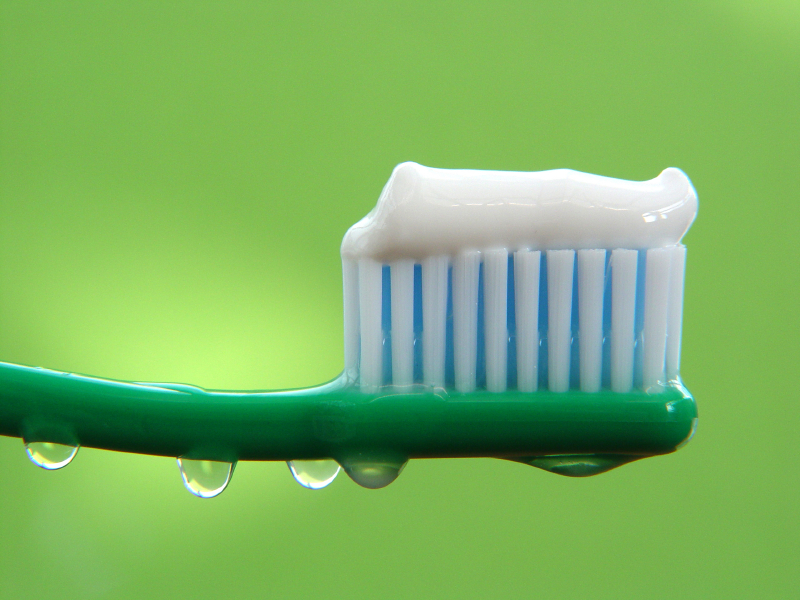
NATURAL LIVING: Toothpaste (Part Two)


In part-one, "Natural Living: Toothpaste" we discussed the toxins found in store-bought (non-natural) toothpastes and the side-effects that they can cause in our bodies which in many cases can be as severe as causing cancer.  To better inform yourself on these toxins, please read further here.

While there are natural store bought alternatives (see part one) making your own products at home is great for your body, environment, and tends to be more cost effective. This article will cover multiple DIY toothpaste recipes.

NATURAL INGREDIENTS
Since the purpose of these articles are to become better informed about the things we're putting into our bodies, I'd like to introduce you to some of the main ingredients that are used in natural toothpaste recipes.  Note, that these recipes are a mix and match of the ingredients below so you may want to try you're own mix and see what works best for you.

ARROWROOT POWDER: (gum health) Plant based, arrow root is used to sooth gums. Source

BAKING SODA: (Mild abrasive, alkaline) Baking soda has multiple uses. Although, some may say that it's too abrasive, it's actually milder than most store-bought toothpastes.  It naturally polishes teeth and removes stains while freshening breath.  It's able to do this due to it's alkaline properties.  It neutralizes acids in your mouth that lead to tooth decay while producing sweet breath. Source

BENTONITE CLAY: (Eliminates toxins) This natural clay has the unique ability to bind to toxins in the body. It is especially useful in eliminating toxins from heavy metals in your mouth, like mercury from mercury fillings. This clay will never bind to any of the beneficial elements in your body. Bentonite clay is also rich in minerals that can nourish teeth and gums. Do not use metal containers or spoons with bentonite clay as it will lose it's potency. Source *Find Bentonite Clay Here* 

COCONUT OIL: (Anti-bacterial & Anti-fungal) Coconut oil is a powerful, natural anti-bacterial and anti-fugal.  Excellent for gums and can prevent bleeding if used regularly on sore gums.  Kills bacteria that causes gingivitis and brushing your tongue with coconut oil can prevent thrush, a fungal problem found in the mouth.  Also found to stop and even reverse tooth decay. Source

HYDROGEN PEROXIDE: (Antiseptic and whitener)  Hydrogen peroxide is commonly used to treat skin wounds, but its antiseptic properties are also good for oral hygiene. Teeth automatically darken with age, but other factors can also contribute to yellowing. The chromogenic agents in coffee and tea, nerve damage due to an accident, smoking or certain antibiotics may be the culprit. Whiten teeth at home using hydrogen peroxide is a cheaper alternative to expensive dentist visits. Bleaching teeth with hydrogen peroxide is acknowledged as a safe practice by the American Dental Association. Source

NEEM: (Tooth and gum health) Chewing on neem twigs have been the commonly preferred way to prevent gum disease and maintain healthy teeth in India for centuries. Researchers found that neem twigs helped villagers avoid cavities and tooth loss, even without access to modern dental facilities. Studies with supporting evidence and thousands of years of traditional use show that neem can: Prevent and heal gum disease, prevent cavities, eliminate bacteria that cause cavities and inflammation of the gums, prevent bacteria from adhering to your teeth (reduce plaque), enhance mouth immunity in general, and freshen the breath naturally. Source

MYRRH: (Anti-inflamatory) Myrrh has long been known to soothe inflammations of the mouth and throat; it is a remedy for gingivitis. Source

ORRIS ROOT POWDER: (Anti-bacterial)  Orris root was historically used in dental care.  The powder was given to teething babies to sooth their gums.  In the 19th century men chewed orris root to disguise the odor of their chewing tobacco. Orris root contains myristic acid, a known antibacterial agent, making the root powder especially effective in tooth pastes and powders. Source

PEPPERMINT ESSENTIAL OIL: (Anti-bacterial) This essential oil has antibacterial, antiseptic, and pain-relieving properties. Peppermint is said to be beneficial for mouth and gum infections (although you should consult your dentist if you suspect a serious condition). In addition, it adds a cool, minty fresh flavor. If you don’t like peppermint you can substitute spearmint to create a different minty twist. Source *Find 100% Essential Oils Here*

SAGE: (Whitening) Sage has been recognized by many cultures for its natural tooth-whitening abilities. Known for its astringent properties, sage is perfect for oral health and whitening discolored teeth. Source *Find Organic Sage Here*

SEA SALT: (Tooth and gum health) Treats and prevents most tooth and gum issues.  Real sea salt (we're not talking table salt here) contains a lot of trace minerals, many of which teeth need to stay strong and healthy. Source *Find Unrefined Sea Salt Here* 

XYLITOL: (Sweetener and anti-bacterial) Although this ingredient is used as a sweetener in the recipe below, it also fights dental bacteria on three ways. Unlike processed sugar, bacteria cannot use xylitol as an energy source so it literally starves bacteria instead. Xylitol creates a non-acidic mouth environment that is hostile to dental bacteria. The lack of acidity stifles its growth and slowly the bacteria begin to disappear. Xylitol works in ridding the mouth of harmful bacteria by making them less able to stick to teeth. These bacteria become more slippery and are then more easily washed away during tooth care. *Find Xylitol Here*

*A Note for Animal People: Like chocolate, xylitol is toxic to dogs and cats.  Source

==============================

TOOTHPASTE RECIPES
Among these natural toothpaste recipes you'll find a few that call for "old fashioned tooth powder" so I've included a couple of recipes for that to start you off.   You an also use tooth powder on it's own if you prefer, make sure you use a dry brush to start and wet after adding powder to brush.

 I'd like to add that unless otherwise mentioned, you'll always gather dry ingredients into processor and grind until powder, add wet ingredients continue to process into paste.  If the paste isn't a consistency that you like, add water or hydrogen peroxide until you find your desired texture.  This also goes for taste items like peppermint or coconut oil.  Keep messing around until you find what you personally like.

Additionally, when any citrus (acidic) ingredients are used, make sure to rinse thoroughly after brushing to prevent acids from affecting your teeth.

Lastly, store your toothpastes in air-tight container.  You can dip your toothbrush into your toothpaste or use a spoon (non-metal if contains bentonite clay as it will lose it's potency).  It should noted that most of these recipes contain an anti-bacterial/anti-fungal (coconut oil - no refrigeration) so germs are not entirely and issue however, many families have a personal container or jar for each member.

OLD FASHIONED TOOTH POWDER:
2 tbsp dried lemon or orange rind
1/4 cup baking soda
2 tsp unrefined sea salt

PEPPERMINT SAGE TOOTH POWDER: (makes 1/2 cup)
2 tbsp bentonite clay
2 tbsp baking soda
1 tbsp dried finely ground sage leaf
1 tbsp xylitol (optional for sweetness)
1/2 tbsp unrefined sea salt
15-20 drops peppermint essential oil

CINNAMON & CLOVE HERBAL TOOTH POWDER:
4 tbsp bentonite clay
1 tbsp baking soda
1 tsp myrrh gum powder
1 tsp ground cloves
1 tsp ground stevia
Add essential oils of cloves and cinnamon to taste


BASIC TOOTHPASTE:
1 tsp tooth powder
1/4 tsp hydrogen peroxide

STRAWBERRY TOOTHPASTE:
1 tsp tooth powder
1 tbsp crushed ripened strawberries

50/50 TOOTHPASTE:
2 tbsp coconut oil
2 tbsp baking soda
2-3 drops essential oil (peppermint, spearmint) or stevia for sugar-free flavor
* For bigger batches, keep 50/50 ratio of coconut oil and baking soda, flavor to taste

ARTISTTA TOOTHPASTE:
1/4 cup baking soda
1/8 cup coconut oil
1/8 cup hydrogen peroxide
1/8 tsp stevia
1/2 tsp peppermint extract

SIMPLE MINT TOOTHPASTE:
3 tbsp baking soda
1 tbsp unrefined sea salt
3 tsp bentonite clay powder
Peppermint oil to taste 
Add water to consistency

REFRESHING SUPER MINT TOOTHPASTE:
6 tsp baking soda
1/3 tsp unrefined sea salt
4 tsp bentonite clay
15 drops peppermint oil or wintergreen

HERBAL MINT TOOTHPASTE:
1/4 cup arrowroot
1/4 cup powdered orris root
1/4 cup water 
1 tsp ground sage
1/4 tsp peppermint oil
1/4 tsp spearmint
* Substitute 1/2 tsp cinnamon oil and 1/2 tsp clove oil for mint oils if preferred

LEMON & CLOVES TOOTHPASTE:
1 oz powdered myrrh
1 pound powdered arrow root
3 oz powdered orris root
10 drops bergamot oil
10 drops coconut oil

VANILLA GERANIUM & HONEY TOOTHPASTE:
1/2 oz powdered chalk
3 oz powdered orris root
4 tsp vanilla tincture
15 drops rose geranium oil
Raw honey to paste consistency

Enjoy! Please comment with any combinations and recipes you've come up with yourself.